Snow Storm Weather Forecast: Your Ultimate Guide To Staying Safe And Informed - In addition to traditional methods, mobile applications and online platforms have made it easier for individuals to access up-to-date weather information. Apps like Weather.com and the Weather Channel provide detailed forecasts, alerts, and safety tips tailored to specific locations. Understanding the basics of a snow storm is essential for interpreting weather forecasts accurately. According to the National Weather Service, a snow storm is classified as a blizzard when winds exceed 35 mph and visibility drops below a quarter of a mile for at least three hours.
In addition to traditional methods, mobile applications and online platforms have made it easier for individuals to access up-to-date weather information. Apps like Weather.com and the Weather Channel provide detailed forecasts, alerts, and safety tips tailored to specific locations.
Transportation planning is another critical aspect of snow storm preparedness. If you must travel during a storm, make sure your vehicle is equipped with a winter survival kit, including blankets, flares, and an ice scraper. Staying informed through reliable weather sources is equally important.
For example, regions near large bodies of water, such as the Great Lakes in the United States, often experience lake-effect snow storms. These storms occur when cold air passes over relatively warm lake water, leading to intense snowfall in downwind areas.
Social media platforms have also become valuable tools for sharing real-time weather updates. Following reputable meteorologists and weather organizations on platforms like Twitter and Facebook can help you stay informed during severe weather events.
During a snow storm, prioritizing safety should be your top concern. Avoid unnecessary travel and stay indoors as much as possible. If you must venture outside, dress in layers and cover exposed skin to prevent frostbite and hypothermia.
In conclusion, understanding snow storm weather forecast is vital for ensuring safety and minimizing disruptions during winter months. By familiarizing yourself with forecasting methods, important factors, and safety tips, you can better prepare for and respond to snow storms.
Several factors influence the accuracy of snow storm weather forecast, including temperature, humidity, wind patterns, and geographical location. Each of these elements plays a crucial role in determining the severity and duration of a snow storm.

A snow storm, often referred to as a blizzard when accompanied by strong winds, is a severe weather condition characterized by heavy snowfall. These storms can last for several hours or even days, depending on atmospheric conditions. Snow storms occur when warm air rises over cold air, creating an unstable environment that leads to precipitation in the form of snow.
Another misconception is that snow storms always result in heavy snowfall. While some storms produce significant accumulation, others may bring only light snow or freezing rain. Understanding these nuances is key to interpreting forecasts correctly.
Winter 2025 2025 Snowfall Predictions Nh Ryder Aron
Modern technology has significantly enhanced the accuracy of snow storm weather forecast. Meteorologists now have access to advanced tools such as Doppler radar, satellite imagery, and computer modeling systems. These technologies allow for real-time monitoring of weather patterns and more precise predictions.
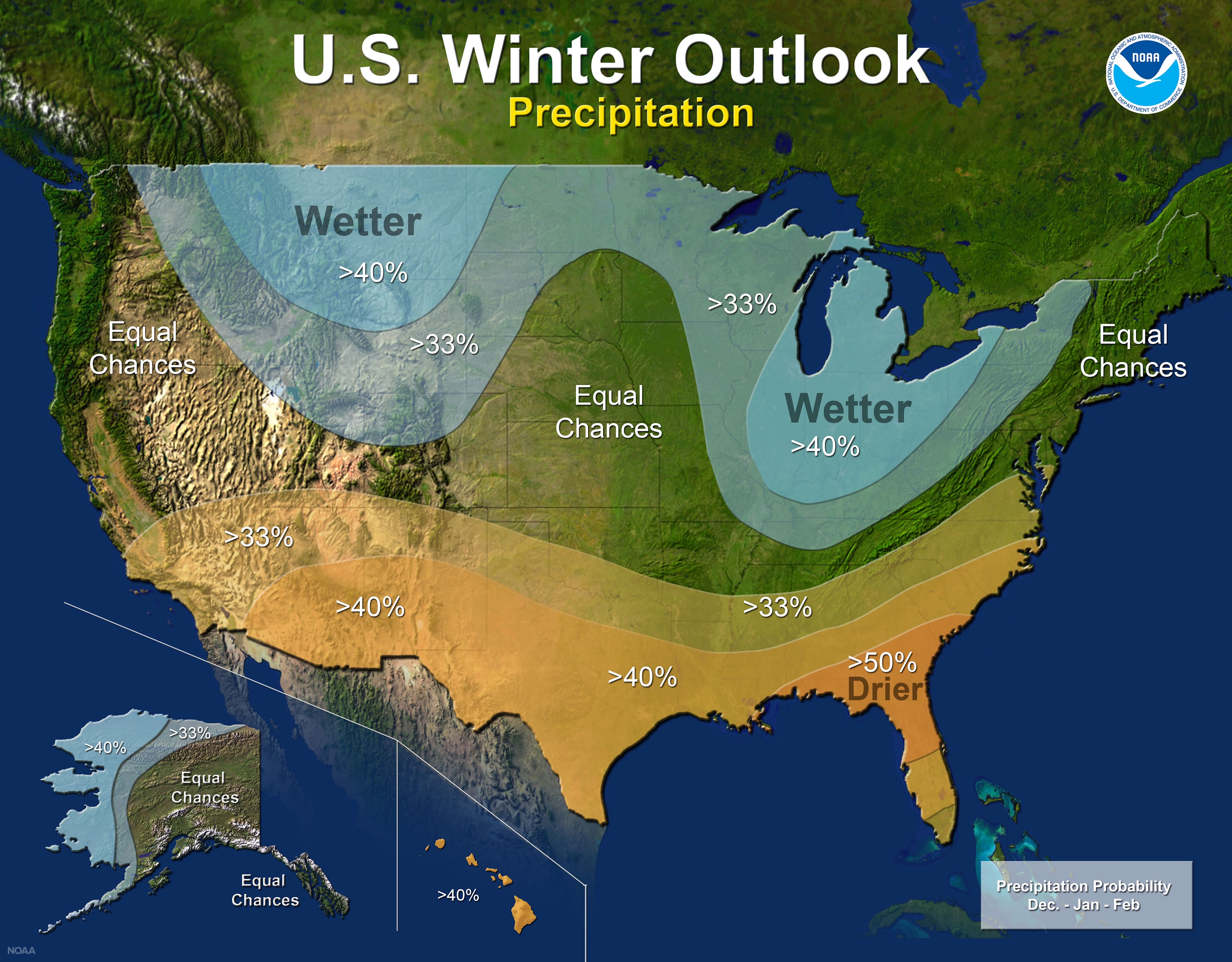
Throughout history, several snow storms have left a lasting impact on communities around the world. The Blizzard of 1888, often referred to as the "Great White Hurricane," devastated the northeastern United States, causing widespread destruction and loss of life. Similarly, the Snowmageddon of 2025 paralyzed Washington, D.C., with record-breaking snowfall.